From Ice to Curb Appeal: Getting Your Walkways Ready for Spring Foot Traffic in New York
Updated on:
March 28, 2026
As winter fades across New York, property owners are left dealing with the aftermath of ice and snow. Walkways that once handled freezing temperatures, rock salt, and heavy foot traffic may now show signs of wear, damage, and safety risks.
Preparing your walkways for spring is not just about appearance. It is about improving safety, preventing injuries, and restoring curb appeal for the months ahead.
The Hidden Damage Left Behind by Winter
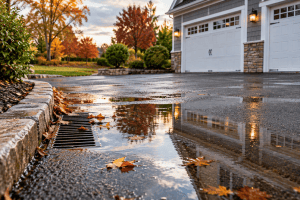
Ice and snow can take a serious toll on concrete surfaces. Repeated freeze-thaw cycles cause expansion and contraction, leading to cracks, uneven surfaces, and long-term structural issues.
Rock salt and deicing chemicals help melt snow and ice, but they can damage concrete. They soak into the surface and cause wear over time. During freeze-thaw cycles, this can lead to cracks and surface damage. This makes walkways weaker and more likely to break down if they are not protected.
This damage is more than cosmetic. It can create hazardous conditions that increase the risk of falls in high-traffic areas like parking lots, sidewalks, and public spaces.
Why Walkway Safety Matters in Spring
As temperatures begin to rise, foot traffic steadily increases across cities like New York City. People spend more time outdoors, using sidewalks, public spaces, and commercial walkways throughout the day. After a long winter, many of these surfaces have been exposed to ice, snow, and deicing materials that can cause damage. Cracks, surface wear, and uneven pavement often go unnoticed until pedestrian activity increases. These issues can quickly turn into safety concerns, making damaged walkways a serious liability for property owners.
Icy sidewalk falls can lead to serious injuries, which is why damaged walkways should never be ignored after winter. Common injuries include broken bones, soft tissue damage, spinal cord injuries, and traumatic brain injuries, all of which can result from cracked, uneven, or slippery concrete surfaces.
According to the Centers for Disease Control and Prevention, falls are one of the most common causes of injury in the United States. Maintaining safe walking surfaces is critical for both residential and commercial property owners.
Inspecting Your Walkways After Winter
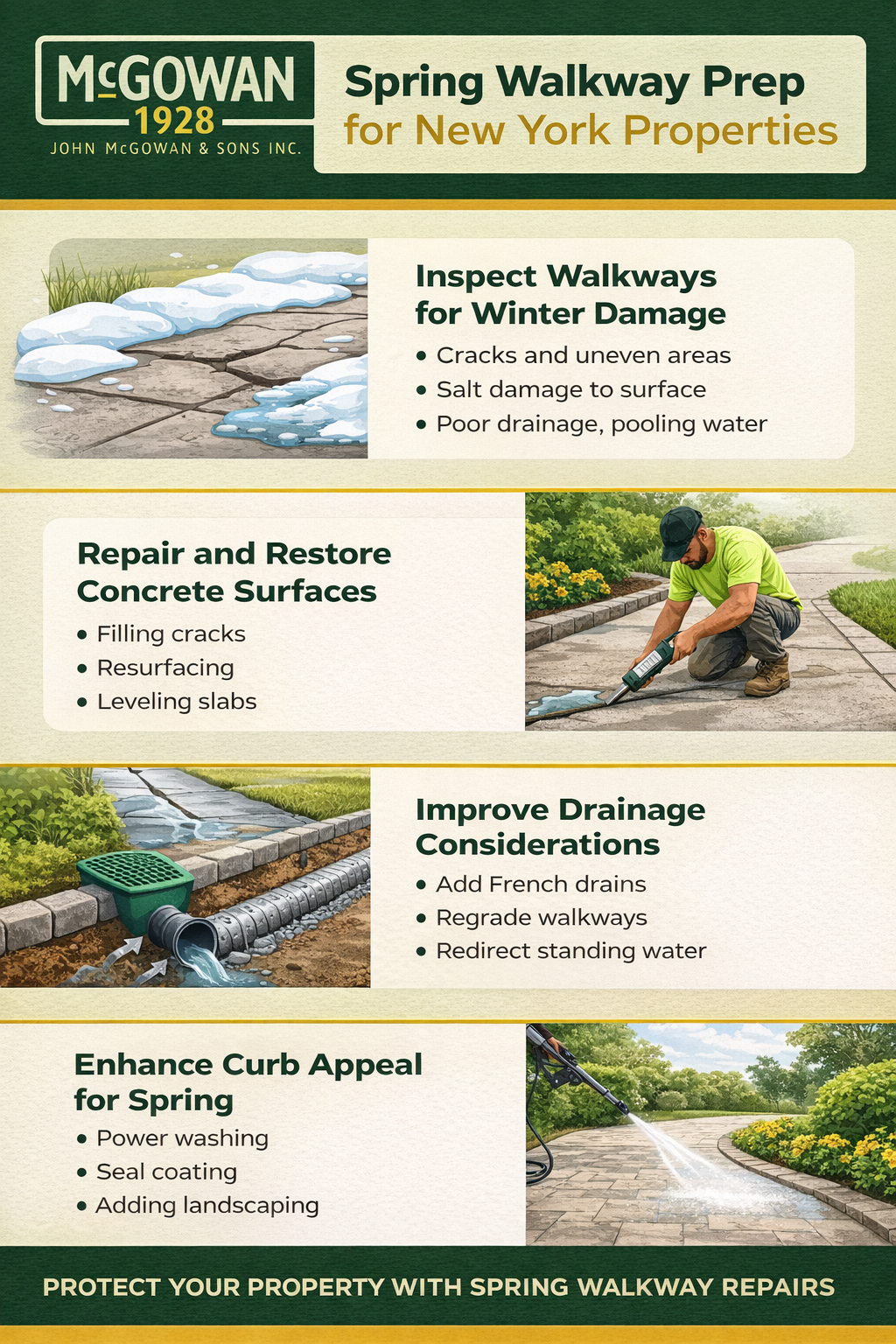
Spring is the ideal time to inspect walkways, concrete, and other paved surfaces for damage caused by winter weather. A full inspection should look for cracks, surface deterioration, uneven slabs, trip hazards, pooling water, drainage issues, and surface scaling caused by salt, since catching these problems early can help prevent larger repairs later.
In dense urban areas like 34th Street corridors and high-use pedestrian zones, even small defects can become major safety concerns.
Repairing and Restoring Concrete Surfaces
Once damage is identified, timely repairs can help prevent further deterioration and improve the long-term durability of the walkway. Common repair solutions include crack filling, surface patching, resurfacing worn concrete, leveling uneven slabs, and replacing severely damaged sections before the problems spread further.
Many property owners choose sealing services or epoxy floor coating to protect their concrete surfaces over time. These treatments help block moisture from penetrating the surface, which can lead to cracks, erosion, and long-term damage. They also increase durability, allowing walkways to better handle heavy foot traffic and changing weather conditions. In areas with frequent freeze-thaw cycles, this added protection is especially important. Sealing and coatings not only improve performance but also help maintain a clean, polished appearance.
For additional guidance on concrete care and maintenance, visit the National Ready Mixed Concrete Association.
Improving Drainage and Stormwater Management
Proper drainage plays a key role in preventing future damage. Poor drainage allows water to collect, increasing the risk of cracks, erosion, and freeze-related damage.
Effective Drainage Strategies:
Effective drainage strategies can help protect walkways and paved surfaces from future damage by moving water away from vulnerable areas. Common solutions include regrading surfaces to improve water flow, installing drainage systems or French drains where needed, and using permeable materials when appropriate to reduce pooling and support better stormwater management.
Urban planners and engineering firms emphasize the importance of stormwater management in improving climate resilience and protecting infrastructure.
You can also explore federal guidance on water management from the U.S. Environmental Protection Agency.
Enhancing Curb Appeal for Spring
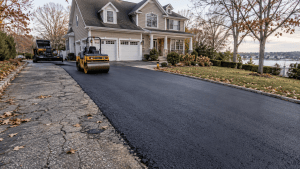
Spring is the perfect time to upgrade your outdoor spaces. Clean, well-maintained walkways improve both safety and appearance.
In pedestrian-friendly environments, maintaining attractive walkways supports urban mobility and enhances the overall experience of public spaces.
Organizations like the National Association of City Transportation Officials promote safer, more accessible street design.
Preparing for Increased Foot Traffic
Spring brings more activity to sidewalks, parks, and commercial properties. Areas like Paseo Park and busy city corridors see a surge in foot traffic as people spend more time outdoors.
Property owners who take proactive steps can reduce liability risks while improving the overall usability of their spaces.
Protect Your Property and Your Visitors
Walkways are more than just a functional feature. They are a critical part of safety, accessibility, and first impressions.
By repairing winter damage, improving drainage, and enhancing curb appeal, property owners across New York can create safer, more durable outdoor spaces.
Taking action now ensures your walkways are ready for spring, and for the increased foot traffic that comes with it.
Recent Posts