Driveway paving is an investment that significantly enhances your property’s curb appeal and functionality. But in Nassau County, weather conditions play a critical role in determining the success and longevity of your paved surface. From asphalt driveways to parking lots, temperature, rainfall, and seasonal timing can all impact the outcome of a paving project. This article explains how different weather elements affect the paving process—and what property owners should know to avoid costly repairs and ensure long-lasting results.
Weather Conditions in Nassau County: A Constant Factor
Nassau County experiences a wide range of weather conditions, including humid summers, freezing winters, and seasonal rainfall—all of which influence the timing and durability of driveway paving projects. These environmental factors affect everything from the base layer to compaction percentages and can ultimately compromise the integrity of your asphalt surface if not properly accounted for.
The Impact of Temperature Fluctuations
Air temperature affects the pliability and setting time of hot mix asphalt. In extremely hot weather, asphalt can become overly soft, making it more vulnerable to indentations from heavy vehicles or equipment. Conversely, cold weather makes asphalt stiff and difficult to work with, which can lead to improper compaction and uneven surfaces.
Nassau County’s seasonal changes often bring wide daily temperature swings, which can cause expansion and contraction in the asphalt layer. Without proper planning, this can result in cracks or premature signs of wear on the surface of your driveway.
The Optimal Temperature Range for Paving
Paving companies generally agree that the ideal air temperature for asphalt driveway installation is between 50°F and 85°F. Temperatures outside this range can increase the risk of improper installation. Warm temperatures help ensure a smooth surface and proper bonding between layers, reducing the chances of future issues like potholes or water infiltration.
For homeowners, the time for spring is often the best season to schedule asphalt paving. The moderate temperatures and reduced rainfall create the perfect window for paving renovations or new driveway projects.
Effects of Temperature Changes on Paving Materials
Temperature doesn’t just affect the asphalt mix—it also influences how well the base layer sets. Cold temperatures slow down the curing time, increasing the risk of compaction problems or base layer failure. High heat, on the other hand, can cause the organic compounds in the asphalt to oxidize too quickly, shortening the driveway’s lifespan.
These fluctuations can also affect decorative asphalt and recycled asphalt materials, both of which are commonly used in residential driveways and outdoor living spaces across Nassau County.
The Role of Precipitation in Driveway Paving
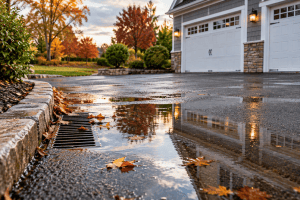
Rain is one of the most disruptive weather conditions for paving contractors. Excess moisture prevents the proper bonding of asphalt layers and weakens the sub-base. Even light rain can affect the compaction process, increasing the risk of water drainage issues and surface damage.
If it rains after paving a driveway, water can seep into the fresh layer, wash away the topcoat, or disrupt the surface texture—especially before the asphalt has had time to cure. It’s essential to avoid scheduling a project during periods of forecasted rainfall.
Why Dry Weather Is Essential for Success
Dry conditions are crucial during all phases of asphalt paving—from base preparation to the final application. Water infiltration during installation compromises the strength of the asphalt, causing erosion beneath the surface and undermining the entire driveway.
In Nassau County, where humidity and sudden storms are common, professional contractors monitor local forecasts closely to avoid any risk of rain during installation. Dry conditions also reduce the risk of uneven surfaces, a common issue that leads to poor water runoff and costly repairs.
Seasonal Considerations: The Best Time to Pave
Spring and early summer are typically the best seasons for asphalt driveway installation in Nassau County. These months offer stable temperatures and lower precipitation levels, which means a more efficient curing process and fewer interruptions.
Paving in the winter poses serious challenges. Cold weather slows down installation, reduces workability, and increases the chance of surface cracking. While some paving companies offer cold mix asphalt for winter work, it’s generally considered a temporary solution.
For larger commercial properties, it’s important to plan your paving projects around your traffic needs and weather windows to minimize business disruption.
Asphalt vs. Alternative Materials in Local Weather
Asphalt remains the most cost-effective and weather-resistant material for driveways in Nassau County. Its flexibility allows it to expand and contract with seasonal changes, making it ideal for areas with fluctuating temperatures.
However, concrete driveways and gravel driveways are also used in some residential and commercial projects. While concrete offers a clean aesthetic and longer lifespan, it’s more susceptible to cracking in freeze-thaw cycles. Gravel, on the other hand, lacks the structural durability needed for heavy traffic or long-term use but offers an economical choice for temporary use.
Ultimately, asphalt is the preferred choice due to its ability to handle cold weather, its relatively fast curing time, and its compatibility with sealcoating for long-term protection.
Protecting Your Driveway from Weather Damage
Even after a successful asphalt paving project, the elements in Nassau and Suffolk County can take a toll on your surface over time. From inclement weather and heavy rainfall to the wear and tear from lawn mowers, delivery vehicles, and -day traffic, your driveway faces numerous threats. For business owners and homeowners alike, proper maintenance plays a crucial role in protecting your investment.
Sealcoating your blacktop driveway every two to three years with hot asphalt emulsion forms a protective layer of asphalt that helps prevent oxidation, asphalt deterioration, and water infiltration. This aesthetic appeal not only boosts curb appeal but also safeguards against asphalt damage that could otherwise lead to a costly asphalt repair project. Minor cracks should be addressed early using asphalt crack filler—a step that prevents small issues from developing into more serious structural concerns.
A well-designed outdoor project also needs proper drainage to handle heavy rainfall. Without it, water can pool and weaken the base layer, eventually compromising even a durable driveway. This is particularly true in Suffolk County & Queens, where fluctuating temperatures and environmental impact can accelerate wear and tear.
If you’ve invested in natural stone pavers, cobblestone pavers, or an outdoor space featuring custom driveway designs or outdoor kitchens, it’s equally important to maintain those areas. Dirt, leaves, and loose chips from chip driveways can all degrade surface quality over time. With proper steps, your driveway beautiful today can remain in excellent condition tomorrow.
Choosing the Right Paving Contractor
The success of your asphalt paving job isn’t just about the materials—it’s about the expertise behind the work. A truly experienced contractor in Nassau or Suffolk County will understand how weather conditions, soil conditions, and design before construction starts all affect performance. From residential driveways to commercial asphalt contractors, working with the right team makes a huge impact on long-term results.
Ask your contractor about their experience with hot mix asphalt, chip paving, and permeable asphalt solutions. Make sure they understand hardscape design grades, equipment requirements, and the difference between asphalt resurfacing and full replacement. A professional should be able to provide cost breakdowns, explain average cost and material costs, and offer affordable options versus expensive options based on your goals. Many Potential customers don’t realize how additional services like drainage improvements or base repairs can affect pricing.
Check for liability insurance, verify their experience with commercial clients, and ask for references from previous clients. An experienced company like John McGowan & Sons will be familiar with all applicable codes, have a track record of exceptional customer service, and uphold a standard for quality paving that prioritizes customer satisfaction. This commitment to quality ensures your surface not only lasts—but adds value.
A reputable team will help you with design ideas, recommend the right driveway materials, and time your project to avoid delays and damage due to poor weather. Whether you’re paving a small walkway or planning a large-scale project, choosing a professional asphalt paving contractor is the first step toward long-lasting results.
Conclusion
Weather plays a massive role in the success of any driveway paving project in Nassau County. From temperature and precipitation to seasonal timing and material selection, each element must be considered for a smooth, durable, and long-lasting result. With proper planning, ongoing maintenance, and a trusted local contractor like McGowan, your driveway can stand up to the region’s climate and enhance your property’s value for years to come.
Recent Posts